Finding time for relaxation can be surprisingly difficult when your schedule is already full. Work, family responsibilities, travel and everyday commitments can leave little room for visiting a spa or wellness centre.
That is one reason Thai massage at home has become an appealing option for people who want a convenient wellness experience without having to leave their home.
Instead of travelling to a massage centre, you can arrange a professional session in your own space. You can relax before and after the treatment without worrying about traffic, changing locations or rushing back into your routine.
But what exactly happens during a Thai massage? How is it different from other massage styles? And what should you expect when booking a professional home session?
Let’s explore the experience.
Why Choose Thai Massage at Home?
The biggest advantage is convenience.
A home session eliminates the need to travel to a spa or wellness centre. Once the appointment is finished, you can simply continue relaxing in familiar surroundings.
This can be particularly useful for people with busy schedules.
Imagine finishing a long working day, changing into comfortable clothing and having a professional massage therapist arrive at your home rather than spending additional time travelling across the city.
For many people, that difference makes it easier to prioritise regular relaxation and personal wellbeing.
Potential Benefits of Thai Massage
Thai massage is often chosen for relaxation, flexibility and general wellbeing. Individual experiences can vary, and massage should not be considered a substitute for medical care when someone has a health condition or persistent pain.
1. May Support Relaxation
A massage session creates dedicated time away from work, screens and daily responsibilities.
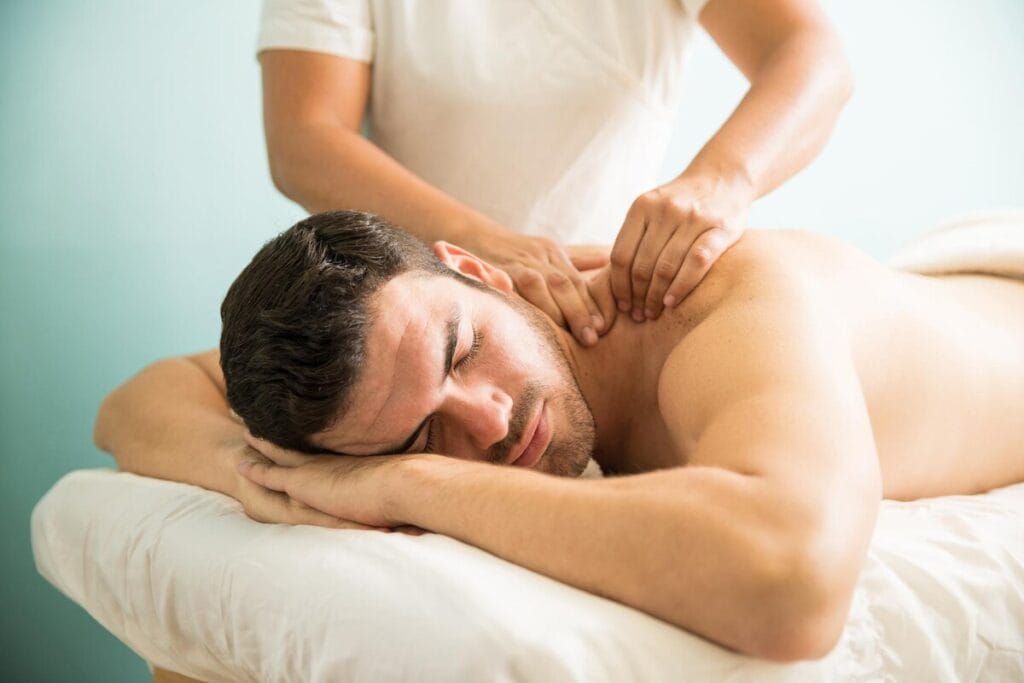
The combination of rhythmic pressure, controlled movement and a calm environment may help you transition into a more relaxed state.
Having the session at home can make the experience even more convenient because you do not immediately have to return to a busy environment.
2. Supports Flexibility and Mobility
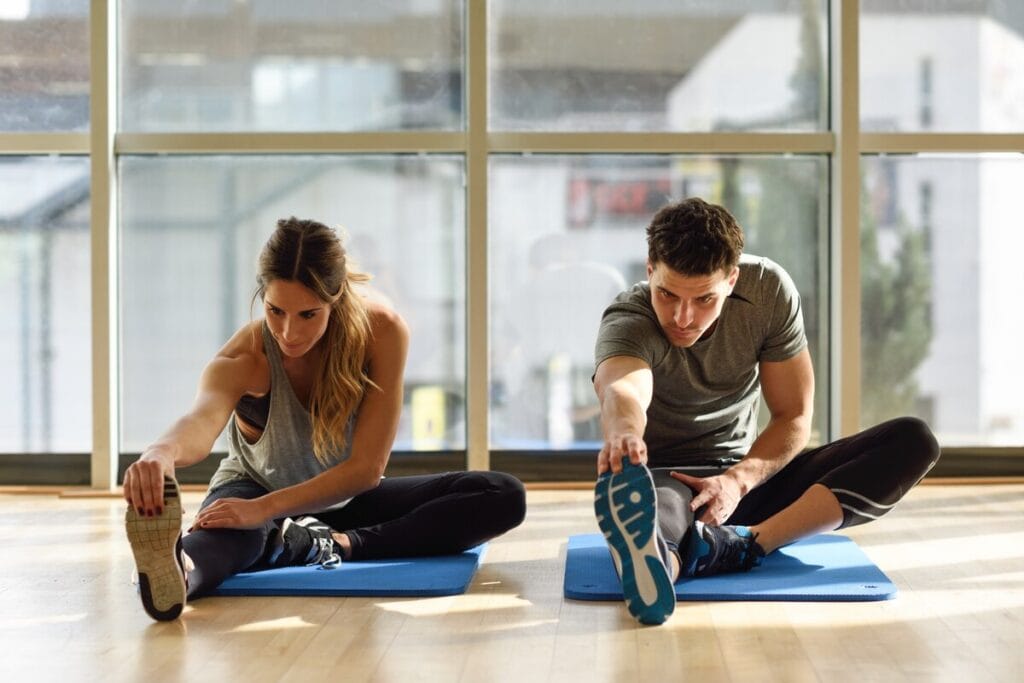
Thai massage incorporates assisted stretching and movement.
These techniques can complement an active lifestyle by encouraging comfortable movement through different ranges of motion.
However, stretching should never be forced. A qualified practitioner should adapt techniques according to your comfort, mobility and individual circumstances.
3. May Help With Everyday Muscle Tension
Long periods of sitting, commuting, working at a desk or exercising can leave certain areas of the body feeling tight.
Depending on the session, a practitioner may work on areas such as the shoulders, back, hips and legs.
It is important to distinguish everyday muscle tension from persistent or unexplained pain. If discomfort continues or is severe, seek appropriate medical advice rather than relying solely on massage.
4. Creates Dedicated Self-Care Time
One of the less obvious advantages of Thai massage at home is that it can make self-care easier to schedule.
You do not necessarily need to spend an entire day visiting a wellness centre.
A professionally arranged home session can become part of a broader wellbeing routine alongside exercise, good sleep, hydration and balanced nutrition.
5. May Support a Greater Sense of Physical Ease
FitU describes its Thai Massage service as combining stretching, acupressure and assisted yoga movements, with benefits including flexibility and mobility, circulation, relief from tension and stiffness, posture and relaxation.
If you are considering a professional home session, you can explore FitU’s Thai Massage service to learn more about its home-based Thai massage option.
What to Expect During a Thai Massage at Home
If this is your first experience, knowing what happens beforehand can make the session feel much more comfortable.
Step 1: Discuss Your Preferences
A professional practitioner should begin by understanding your preferences and any relevant physical concerns.
This is the right time to mention areas you would like the practitioner to focus on and anything you would prefer them to avoid.
Communication is important throughout the appointment.
Step 2: Prepare Your Space
You do not need a dedicated massage room.
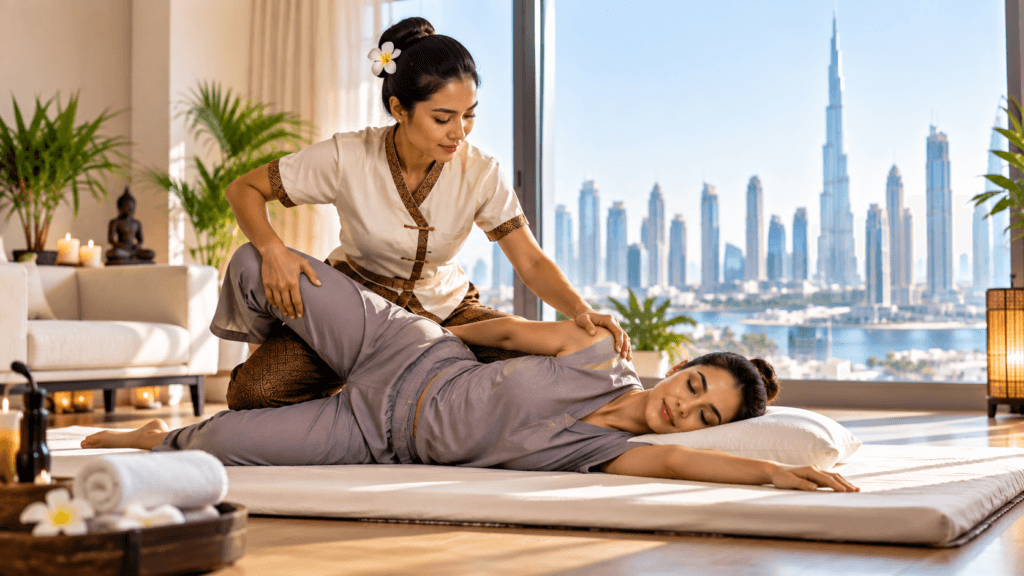
A clean, quiet area with sufficient floor space is generally useful for traditional Thai massage because the session can involve different positions and assisted movements.
Some home-service providers bring the necessary equipment. For example, FitU states that its Thai Massage service includes a mat, spa essentials and disposable sheets.
Step 3: Wear Comfortable Clothing
Traditional Thai massage is commonly performed through comfortable clothing.
Loose-fitting trousers and a comfortable top are generally more practical than restrictive clothing.
Your practitioner can explain what is appropriate for the specific service you book.
Step 4: The Massage Begins
The practitioner may start with gentle pressure before gradually introducing other techniques.
Depending on the session, you may experience compression, assisted stretching and controlled movements involving different parts of the body.
Your comfort should remain a priority.
If pressure feels too strong or a particular movement feels uncomfortable, communicate this immediately.
Step 5: Relaxation After the Session
A short relaxation period after massage can make the transition back into your normal routine more comfortable.
FitU’s Thai Massage service, for example, includes a final relaxation period intended to leave the client feeling refreshed and rejuvenated.
How Long Does a Thai Massage Session Last?
The duration depends on the provider and service you select.
Some services offer shorter sessions, while others provide longer full-body experiences.
For example, FitU’s listed Thai Massage service provides a 60-minute session and allows the service to take place at the client’s home.
For a first session, a moderate duration can be a practical way to understand how your body responds to the techniques.
How to Prepare for Thai Massage at Home
A little preparation can improve your overall experience.
Before your appointment:
- Keep the massage area clean and uncluttered.
- Wear comfortable clothing.
- Avoid having a very heavy meal immediately beforehand.
- Keep yourself adequately hydrated.
- Inform the practitioner about relevant injuries or physical limitations.
- Put your phone on silent if you want uninterrupted relaxation.
- Allow some time after the session rather than immediately scheduling a demanding activity.
FitU also recommends staying well hydrated before and after its Thai Massage sessions.
Who Should Be Cautious About Thai Massage?
Thai massage involves stretching, pressure and physical movement, so it may not be appropriate for everyone in every circumstance.
People with certain medical conditions, recent injuries, fractures, severe osteoporosis, recent surgery or other health concerns should speak with an appropriate healthcare professional before receiving massage.
Pregnancy may also require specific modifications and a practitioner with suitable training.
If you are unsure whether massage is appropriate for you, seek medical advice before booking.
A professional massage practitioner should also be willing to discuss relevant concerns and modify techniques when appropriate.
How to Choose a Thai Massage Therapist for a Home Session
When booking Thai massage at home, do not choose a provider based solely on price.
Consider:
- Practitioner qualifications and training
- Professional experience
- Customer reviews
- Hygiene practices
- Clear pricing
- Cancellation policy
- Communication before the appointment
- Whether the therapist provides home visits
- Whether the service can be adapted to your needs
A professional service should also maintain appropriate boundaries and clearly explain what the session involves.
Is Thai Massage at Home Worth Considering?
Thai massage at home combines traditional bodywork with modern convenience.
For people who enjoy massage and want to incorporate relaxation and mobility-focused bodywork into their routine, a home session can remove one of the biggest barriers: travelling to and from an appointment.
It can be particularly appealing after a demanding working day, during a busy week or when you simply prefer the privacy of your own environment.
The key is to choose a suitably trained professional, communicate your needs clearly and listen to your body throughout the session.
Thai massage at home is not about adding another complicated task to your schedule. It is about making relaxation more accessible—without having to leave your home.
If you are looking for a convenient home-based option, explore Thai Massage at Home with FitU and learn more about the available service and booking options.