
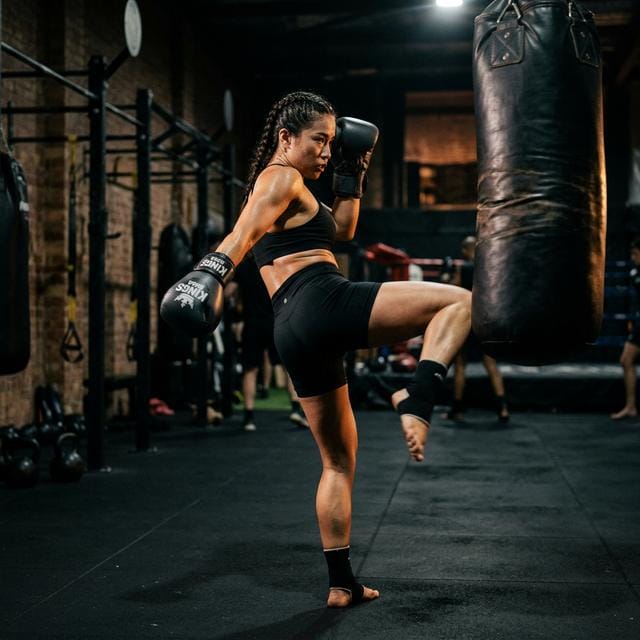
Starting kickboxing for the first time can feel exciting and a little intimidating. You might imagine intense punches, powerful kicks and experienced athletes moving effortlessly around the gym. But your first kickboxing session isn’t about mastering complicated combinations or competing with anyone. It’s about learning the basics, building confidence and discovering a workout that challenges both your body and mind.
Whether you’re looking to improve your fitness, manage stress, develop self-defence skills or simply try something different, kickboxing for beginners offers an engaging way to become more active.
Here’s everything you need to know before stepping into your first class.

1. What Happens During Your First Kickboxing Session?
Your first kickboxing class will typically introduce you to the fundamental movements and techniques used in the sport. Most beginner-friendly sessions follow a structured routine designed to help you learn gradually without feeling overwhelmed.
A typical 60-minute beginner session might look like this:
Activity | Approximate duration |
|---|---|
Warm-up and mobility exercises | 10 minutes |
Basic punching and kicking techniques | 15 minutes |
Beginner combinations and pad work | 15 minutes |
Conditioning exercises | 15 minutes |
Cool-down and stretching | 5 minutes |
The exact structure varies depending on the instructor, gym and type of kickboxing class.
During your first session, your instructor should explain the movements, demonstrate proper technique and help you adjust exercises according to your fitness level.
Remember, you aren’t expected to perform every movement perfectly on your first attempt.
2. Learning the Basic Kickboxing Techniques
One of the most interesting parts of your first kickboxing workout is learning how to combine punches, kicks and footwork.

The Jab and Cross
The jab is a quick, straight punch delivered with your lead hand. The cross is a more powerful straight punch delivered with your rear hand, using hip and shoulder rotation. These are usually among the first techniques beginners learn.

The Front Kick
A front kick involves lifting your knee and extending your leg forward. Your instructor will explain how to maintain balance, control your movement and return safely to your starting position.

The Roundhouse Kick
This technique uses hip rotation to deliver a controlled kick. Beginners generally practise it slowly before adding speed or power.

Footwork and Defensive Movements
You’ll also learn how to position your feet, maintain your stance, keep your hands raised and move without losing balance.
Your instructor may introduce simple combinations, such as a jab followed by a cross. Focus on controlled movements rather than punching or kicking as hard as possible.
3. What Should You Wear to Your First Kickboxing Class?
You don’t need expensive equipment to begin kickboxing. Comfortable clothing and a few essentials are usually enough for your first session.
Your first-class checklist
0 of 6 ready
Some fitness studios provide gloves and other equipment for introductory sessions. Contact your gym before attending to find out what is included.
Avoid heavy meals immediately before training, and remove jewellery that could interfere with your movements.
4. Is Kickboxing Difficult for Beginners?
Kickboxing can be physically demanding, but you don’t need to be exceptionally fit to start.
A beginner-friendly class should introduce exercises progressively and offer modifications for different abilities.
You may initially find it challenging to coordinate your arms and legs, maintain your balance or remember combinations. That’s completely normal when learning a new physical skill.
Your first session is an opportunity to understand your current abilities, not a test of your athletic performance.
If an exercise feels too intense, slow down, take a break or ask your instructor for an alternative.
Importantly, fitness kickboxing classes often use punching bags or pads without any direct sparring. If you’re interested in contact kickboxing, ask the gym about its training structure and safety requirements.
5. Benefits of Kickboxing for Beginners
Kickboxing combines cardiovascular exercise, strength, coordination and concentration into one dynamic workout.

Improved cardiovascular fitness
Regular kickboxing workouts can challenge your heart and lungs through repeated periods of movement and recovery, helping build endurance over time.
Full-body muscle engagement
Punching, kicking, maintaining your stance and moving around the training area engage muscles throughout your upper body, lower body and core.

Stress relief and confidence
Physical activity can help improve mood and manage everyday stress. Learning new techniques and noticing your progress may also strengthen your confidence.

Better coordination and balance
Combining punches, kicks and footwork challenges your coordination, spatial awareness and ability to control your movements.
These benefits develop with consistent practice, appropriate recovery and training suited to your abilities.
6. Common Mistakes to Avoid During Your First Class
Beginners sometimes try to perform every technique at maximum intensity. However, kickboxing requires control and proper movement patterns before speed and power.
Avoid holding your breath while punching, locking your joints, neglecting your stance or attempting advanced combinations too early.
Another common mistake is comparing yourself with experienced participants. Everyone develops coordination, endurance and technical ability at a different pace.
Pay attention to your instructor’s corrections, take regular water breaks and stop if you experience sharp pain, dizziness or unusual discomfort.
7. How Often Should Beginners Practice Kickboxing?
For many beginners, two or three kickboxing sessions per week can be a manageable starting point, depending on fitness level, workout intensity and recovery needs.
Allow time between demanding sessions, particularly if you’re new to regular exercise.
On rest days, gentle walking, mobility exercises or light stretching can help you remain active without adding unnecessary training stress.
As your technique and endurance improve, you can gradually increase your training frequency or intensity.
Consistency matters more than trying to complete an exhausting workout every day.
8. Tips to Make Your First Kickboxing Session Enjoyable
Arrive at your first class a little early so you can meet the instructor, understand the gym’s rules and familiarise yourself with the equipment.
Tell your instructor that you’re a beginner and mention any injuries or physical limitations that may affect your training.
Start slowly, listen carefully to technique demonstrations and concentrate on learning one movement at a time.
Most importantly, enjoy the experience. You don’t need perfect punches, powerful kicks or outstanding endurance to have a productive first session.
Your initial goal should be simple: learn something new, move comfortably and leave with a better understanding of kickboxing.
Frequently Asked Questions
Do I need to be fit before starting kickboxing?
No. Beginner classes are generally designed for people with different fitness levels. Choose a suitable class and increase the intensity gradually.
Will I have to fight someone in my first kickboxing class?
Not necessarily. Many fitness kickboxing classes focus entirely on non-contact training using bags, pads and bodyweight exercises. Confirm the class format before enrolling.
Can kickboxing help with weight management?
Kickboxing can contribute to energy expenditure and overall physical activity. Weight management also depends on nutrition, sleep, consistency and other individual factors.
How long does it take to learn kickboxing?
You can begin learning basic movements in your first session. Developing reliable technique, coordination and endurance requires regular practice over weeks and months.
Final Thoughts: Your Kickboxing Journey Starts with One Session
Your first kickboxing class isn’t about becoming an expert overnight. It’s about discovering an enjoyable way to improve your fitness, learn new skills and challenge yourself.
With an experienced instructor, realistic expectations and consistent practice, kickboxing can become a rewarding part of your fitness routine.
Whether your goal is to build strength, improve endurance or simply escape a repetitive workout schedule, beginner kickboxing classes provide an opportunity to work towards a healthier, more active lifestyle.
Your first punch doesn’t have to be perfect. You just have to get started.